Getting your nutrition on point can make a real difference if your goal is to lose weight. I’ve noticed that with all the information out there, it’s super easy to feel lost or overwhelmed. I’ll break it down step by step, share tried-and-true strategies, and answer some questions that I get all the time about how nutrition can actually help you drop pounds in a healthy, sustainable way.
Understanding How Nutrition Impacts Weight Loss
Weight loss mostly comes down to burning more calories than you eat, but it’s not all about counting calories. The types of foods you eat, when you eat, and how often make a big difference in how your body burns fat and builds muscle. Instead of thinking about dieting as punishment, I find that focusing on nourishing your body while being kind to yourself creates better, longer-lasting results.
There are loads of ways nutrition supports weight loss. Protein helps you feel full, fiber keeps your digestion happy, and healthy fats give you lasting energy. Cutting out all treats or entire food groups rarely works long term; balance always wins out. The food decisions you make consistently over time matter more than any “miracle fix.”
One thing to remember is that nutrition works best when paired with realistic expectations. Weight loss is rarely linear, and everyone’s needs can differ based on factors like age, gender, metabolism, and activity level. Listening to your body’s cues, staying flexible, and making little tweaks as you go can keep you on the right path. Keeping a simple food journal, even for a week, can help you spot patterns or habits that might be sneaking in unwanted calories or making you feel sluggish.
The Best Nutritional Ways to Lose Weight
The most effective nutrition strategy for weight loss is one that works for real life; think meals you actually enjoy and can stick with. I’ve seen the best results when focusing on these principles:
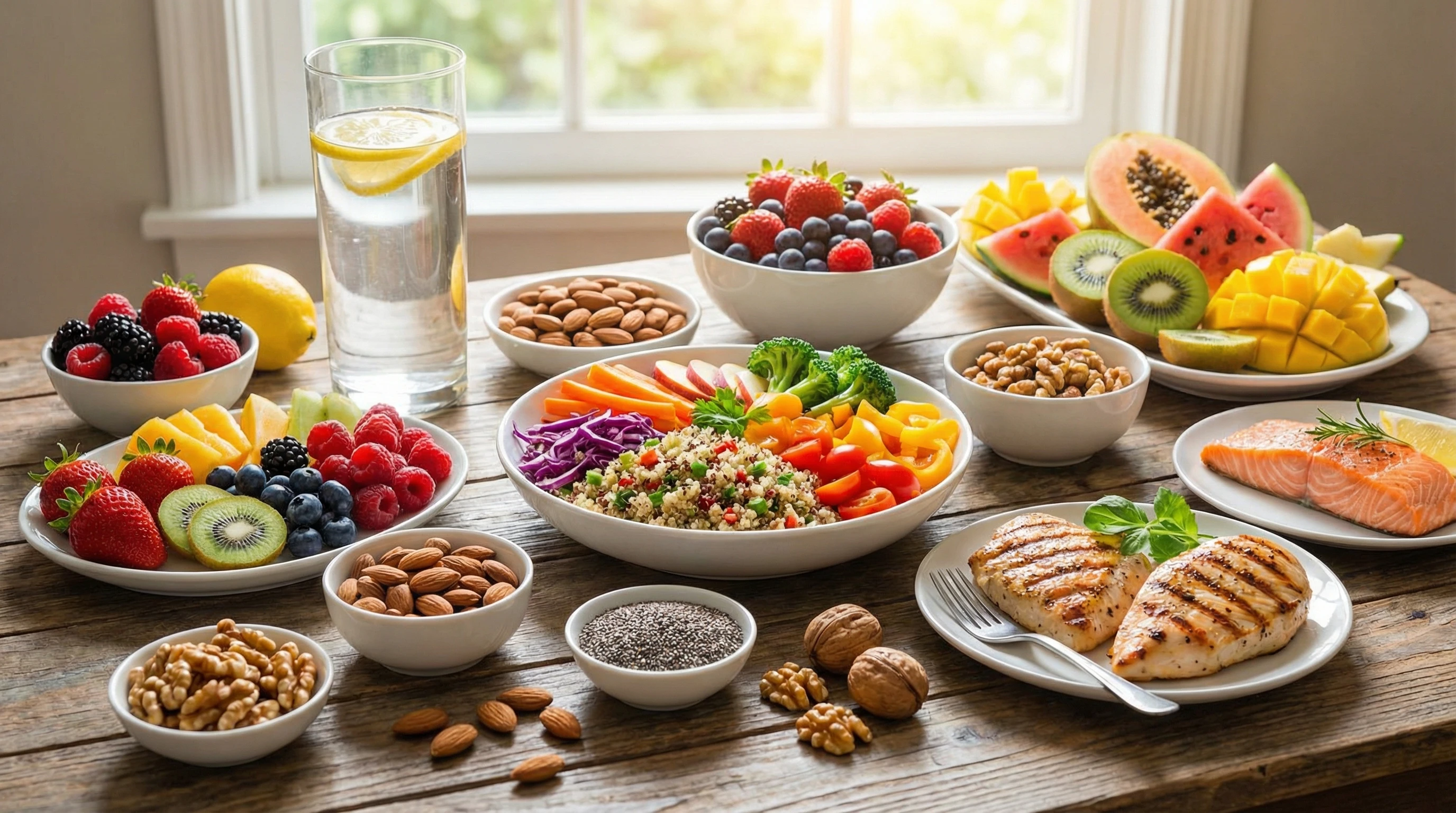
- Eat Fewer Processed Foods: Stick with whole foods as much as possible. Fresh fruits, veggies, unprocessed grains, lean proteins, and healthy fats are your friends.
- Watch Portion Sizes: Eating healthy food is great, but eating too much of anything can get in the way if you’re trying to lose weight. Use smaller plates and bowls to help.
- Focus on Protein and Fiber: Both keep you full longer, so try having protein (like chicken, tofu, eggs, fish, beans) and high fiber foods (like veggies, lentils, and whole grains) at every meal.
- Stay Hydrated: Sometimes hunger is actually thirst in disguise. Water should be your go-to drink; sparkling water with lemon or cucumber is always a nice change.
- Limit Sugar and Alcohol: These add lots of extra calories but don’t actually fill you up. If you want a treat, it’s better to plan for it rather than snack mindlessly.
Going for steady and gradual changes really pays off. Diets that cut out whole food groups or drop your calories super low can work for a short period, but they usually backfire when you go back to normal food. Sticking with the basics, making swaps over time, and celebrating small wins is where the magic happens.
If you’re struggling to build meals with variety, pick a color challenge for your vegetables or swap your protein sources weekly. This keeps things interesting and ensures you’re getting a big range of nutrients. For those who find cooking a struggle, choose a few go-to recipes to rotate, like an omelet loaded with veggies, a grilled chicken salad with lots of greens and seeds, or simple oatmeal with fruit and nuts.
Practical Nutrition Habits and “Weight Loss Rules”
I’ve been asked about weight loss rules and eating guidelines quite a bit, especially rules that promise fast or simple success. Here are a few common ones you might hear about, along with my take and how they actually fit in the real world.
The 3 3 3 Rule for Weight Loss
The “3 3 3 rule” is a newer guideline some people use for healthy eating. Here’s how it goes:
- 3 meals per day
- 3 hours between meals (no snacking in between)
- Stop eating 3 hours before bedtime
It helps you build a routine and avoid random grazing, which is a sneaky way extra calories pile up. I like that it builds in natural fasting between meals so your body actually has a chance to burn energy. Not everyone needs to follow this super strictly, but for folks who snack out of boredom or stress, it’s a pretty handy framework to try.
The 5 2 1 0 Rule Explained
The “5 2 1 0 rule” is another simple guide, built mostly for families and kids but honestly, I think it’s helpful for anyone:
- 5 or more servings of fruits and veggies each day
- 2 hours or less of screen time
- 1 hour or more of physical activity
- 0 sugary drinks
This rule covers healthy eating, exercise, and lifestyle habits. It’s super useful as a daily reminder. Even just the first number, making sure you hit 5 servings of veggies and fruit, can really give a boost to weight loss, add fiber, and crowd out processed foods.
How to Lose 5kg in 7 Days: What’s Realistic?
Loads of people are curious about dropping 5kg in just a week. I totally get the appeal, but it’s important to be real about what’s actually safe. Losing that much (about 11 pounds) in 7 days is pretty extreme for most people, and lots of fast weight loss methods focus on water weight, not actually losing fat.
If you’re truly needing to see the scale drop fast, like prepping for a medical reason (always ask your doc first), the only way to get there is by seriously cutting calories, upping hydration, and usually doing a bunch of cardio. You might see “quick fix” meal plans with plain chicken, lots of veggies, zero carbs, and gallons of water each day. While you might drop some pounds fast, it tends to come right back once normal eating returns.
For lasting and healthy weight loss, aiming for 0.5 to 1kg (1–2 lbs) per week is much more doable and keeps your muscles strong. Instead, try:
- Eating mostly veggies, lean proteins, and some healthy fat at each meal
- Cutting salt and added sugars; these hold water
- Limiting all processed foods and alcohol
- Drinking plenty of water
- Getting active every day (even walking, bodyweight exercise, or cycling)
- That said, small bursts of strict focus can give you a head start if you understand it’s not a forever plan. The healthiest way to make big changes is to aim for the habits you can keep up long-term.
One overlooked tip: get a good night’s sleep. Poor sleep makes your hunger hormones spike and often leads to overeating the next day. Plus, sleep supports muscle repair and keeps your energy up for workouts. Don’t underestimate the role rest plays in your weight loss adventure!
Common Challenges and How to Stay on Track
Weight loss with nutrition comes with a few pitfalls I see all the time. Here are some easy ways to sidestep them:
- Eating While Distracted: Make it a rule to eat at the table, away from screens. Eating mindfully helps you notice when you’re actually full.
- All or Nothing Thinking: Slipping up doesn’t mean you ruined it. Every meal is a new chance to get back on track. Perfection isn’t realistic; progress is what matters.
- Forgetting Protein: A meal built only on carbs (like bread, crackers, or pasta) often leaves you hungry. Throw some eggs, beans, yogurt, or nuts on there.
- Not Planning Ahead: Grabbing food on the go leads to impulse choices. Prepping healthy snacks or a few simple meals each week gives you “fail safe” options.
Workarounds for these challenges make sticking with healthy eating way easier. Prepping your fridge, finding quick meal ideas, and not being too hard on yourself go a long way.
Social events and travel also tend to throw a wrench into routines. If you’re dining out, check menus ahead, aim for grilled not fried, and add an extra serving of veggies if you can. Traveling? Pack some nuts or protein bars and stay hydrated to avoid airport snack traps. Little preparations can make a big difference.
Nutrition Tips for Real-Life Success
- Shop the Perimeter: In most grocery stores, fresh produce, meat, dairy, and nuts are around the store’s edges. Processed snacks are in the aisles inside. I find shopping mostly the perimeter keeps my cart way healthier.
- Easy Meal Building Formula: Fill half your plate with nonstarchy veggies (like salad, broccoli, or cauliflower), a quarter with lean protein, and a quarter with whole grains or starchy veggies. Top with a spoonful of healthy fat like olive oil or avocado.
- Batch Prep: Chop veggies, cook extra grains or roast protein ahead of time. It makes future meals way less work.
- Mindful Eating: Put your fork down between bites, chew your food well, and check in with your hunger halfway through. It sounds simple, but it works.
- Stock Healthy Snacks: Keep options like Greek yogurt, baby carrots, mixed nuts, or cut fruit in easy reach. Having something nutritious close by makes it way less tempting to grab less healthy options in a hungry moment.
FAQ: Your Nutrition Weight Loss Questions Answered
What is the best nutritional way to lose weight?
Eat a variety of whole foods, watch your portions, stay hydrated, and focus on fiber and protein at each meal. Build meals you enjoy and can actually stick with in the long run. Avoid drastic restriction and trust that small, steady progress adds up.
What is the 3 3 3 rule for weight loss?
The 3 3 3 rule suggests having 3 main meals a day, leaving 3 hours between each, and stopping eating 3 hours before bed. It’s a simple way to structure your day so you avoid endless snacking and late-night calories.
How to lose 5kg in 7 days?
Losing 5kg in a week is very aggressive and usually means you’re dropping mostly water, not fat. For a safer approach, up your veggies, keep salt and sugar super low, hydrate, move more, and stick to whole foods. Long-term weight loss works better when you go slow and steady.
What is the 5 2 1 0 rule?
This guideline means eating 5 or more servings of fruits and veggies, limiting screen time to 2 hours or less, getting 1 hour or more of physical activity, and skipping sugary drinks each day. It’s a solid basic framework for a healthier lifestyle overall and definitely helps with weight loss.
Keep Your Nutrition Fun and Sustainable
Weight loss nutrition doesn’t have to be intimidating or dull. The best results come from small, doable changes over time. Build a routine you enjoy, keep nutritious ingredients handy, and give your body the good fuel it deserves. Progress will follow; so will extra energy, better mood, and more confidence. The key is to stick with habits that fit your real life and make you feel good. Don’t be afraid to experiment with new flavors, tweak your rotation, and celebrate your victories every step of the way.