Staying ahead in the world of meal prepping really pays off, especially as trends move so fast and the technology around food keeps getting better. Planning your meals for the week can save you loads of time and money, and with the trends for 2026 looking pretty exciting, there are some cool new ideas and gadgets making meal prep even more convenient and healthy. I’ve been watching what’s happening in the food world, and I’m seeing some super interesting changes coming soon. Here, I’m giving you a snapshot of what to look out for and how to set yourself up for smoother meal preps in 2026 and beyond.
Why Meal Prep is Evolving Fast
Meal prepping isn’t new. It’s changing direction thanks to busy lifestyles, rising food costs, and more interest in health and sustainability. More people want meals that are easy to grab but still nutritious, and they want to avoid waste. Tech and new food products are also playing a huge part, shaking up how we plan, shop, and cook. By 2026, meal prep will look even sharper, with innovative tools and smarter routines kicking old habits to the curb.
According to market reports, meal kit deliveries and preportioned food options have grown over 25% in the past few years, and new services pop up all the time. There’s also a switch up away from “batch cook and freeze everything” to more flexible options. Think prepping a key ingredient ahead but finishing flavors fresh throughout the week.
Core Ingredients of Modern Meal Prep
Getting started with 2026-style meal prep means knowing what’s changing in the kitchen and what’s just good common sense. New trends focus on blending convenience, health, and ecofriendly habits. Here are some tools and habits popping up everywhere:
- Smart Food Storage: Containers that track freshness dates via linked phone apps and even recommend recipes when items are close to expiry.
- Ingredient Swaps for Health: More people are switching out standard carbs for ancient grains (like farro or teff) and using plantbased proteins in place of meat.
- Functional Flavors: Spices and sauces boosted with adaptogens or probiotics to sneak in extra health benefits without sacrificing taste.
Choosing the right mix for your lifestyle and goals makes everything else a lot easier and helps you avoid burnout from repeating the same meals each week. If you have dietary needs or allergies, new ingredient tracking and swap apps make it simple to keep your meal preps on point.
Tech Tools and Gadgets Making Meal Prep Easier
Tech is giving meal prepping a serious upgrade in recent years. In 2026, a bunch of new gadgets and tools are turning what used to be a weekend chore into something nearly automatic. Here are some of my favorites that really stand out and can give a boost to your routine:
- Automated Meal Planners: Phone and tablet apps can now take your dietary goals, grocery budget, and what’s in your fridge to spit out ready-to-cook plans every week. No guesswork required.
- Countertop Cookers with Meal Prep Modes: Pressure cookers and smart ovens come with batch prep settings that let you do several meal components at once, with doneness tracked and adjusted automatically.
- Food Barcode Scanners: These handy devices scan what you buy and autoorganize your pantry and fridge inventory, so you’re never searching for that last box of pasta or can of beans again.
Pairing tech with old-fashioned skills is making meal prep faster, less stressful, and way more fun, especially for anyone short on time. If you’re new to the scene, these gadgets are worth checking out to take your routine up a notch.
Smart Steps to Get Started with New Meal Prep Trends
Jumping into modern meal prep is way easier when you break it down and don’t aim for perfection right away. Here’s a step-by-step approach based on what’s trending now:
- Plan Around Your Week: Instead of prepping every single meal, focus on a couple of goto proteins and grain bases that mix and match easily. This way, you get variety without tons of extra work.
- Use an Ingredient Tracker App: Many new apps can scan receipts or barcodes to tell you what you have at home and what needs using up. This is pretty handy for cutting down food waste and saving cash.
- Mix Batch & Fresh Elements: Prep roast veggies in advance, but cook fish or eggs fresh for speedier, tastier meals that don’t feel reheated.
- Label with a Freshness Date: Smart storage containers and food safe pens help you keep track of what needs to be eaten first, so nothing goes funky in the back of the fridge.
- Build a Flavor Library: Prep sauces, dressings, and spice mixes in bulk, so even basic meal components feel new just by switching toppings and flavors.
With these steps, meal prep works for you instead of the other way around, which is pretty important for keeping it up in the long run. Over time, you’ll stumble upon new shortcuts that fit your unique lifestyle. As tech continues to step up, you’ll also get access to more tailored suggestions one week to the next, which keeps things fresh and motivating.
Before You Jump In: Things to Watch For
Even with the best tech and gadgets, meal prep isn’t always smooth sailing. Some new trends can trip you up if you’re not careful. Here’s what to keep in mind before spending time and money:
- Food Freshness: Overreliance on prepped veggies or meals can mean some things wilt or lose taste faster. Smart storage and partial prepping (like prechopping but waiting to cook) helps.
- Productivity Pressure: The hype around superoptimized routines can make you feel like you should meal prep perfectly. Remember, it’s about saving stress, not piling on more.
- Sustainability Choices: As more prepackaged meal kits show up, be cautious about plastic waste. New compostable packaging or reusable silicone bags are available and better for the planet.
Food Freshness
Having seen a few meal preps go south after a day or two, I recommend separating sauces from the main meal and storing leafy greens with a paper towel to keep things crisp. Mealprepped food can hold up for up to four days with the right storage, but it’s worth double checking everything with your senses. If it looks off, it’s safer to skip it.
Productivity Pressure
Lots of social media meal preppers share big batch photos, which can be intimidating. The real win is finding what fits your schedule. If you prep just breakfast each week, that’s still a win. I like to make one pot of grains and a sheet tray of roasted veggies, and everything else stays flexible based on what’s happening that week.
Sustainability Choices
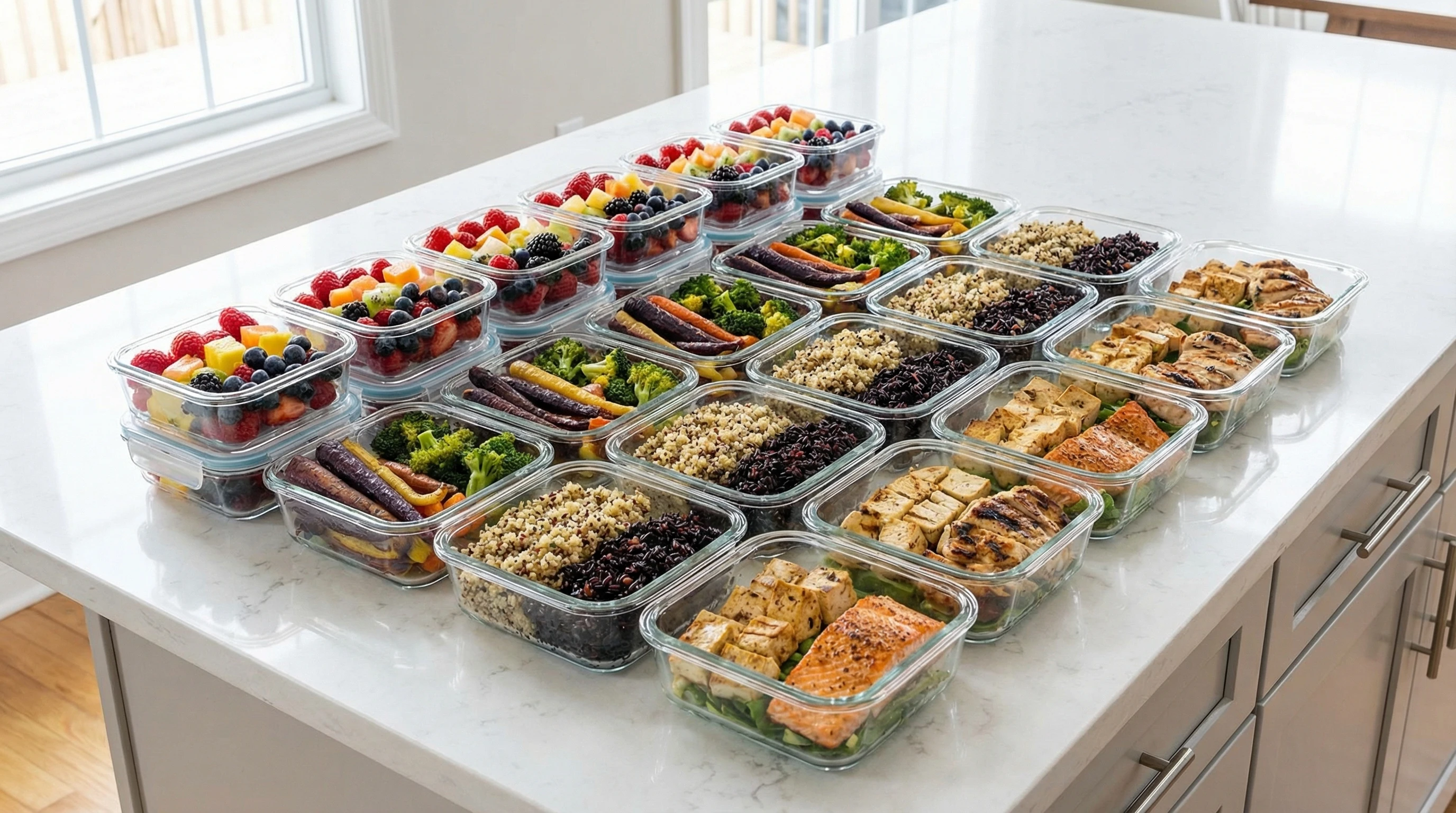
Meal kits and “grab and go” packaging put a spotlight on waste, but more companies are using biodegradable or edible packaging options. I’ve found investing in glass containers or reusable bags pays off pretty fast, while feeling better for the environment.
Planning around these challenges and trends helps you stick with meal prep and actually enjoy the process. A few easy tweaks keep your meals tasting fresh and your routine fitting your life. If you’re aiming to save even more waste, sharing extras with neighbors or meal prepping together with family can make the process more social and ecofriendly.
Pro Tips for Leveling Up Your Meal Prep
If you’ve already got the basics down, it’s rewarding to try some advanced strategies and keep your skills growing. Here are a few simple hacks that make prepping feel new again and give your time and taste buds a boost:
Try the Pantry Starter Method: Build each meal around one new ingredient you haven’t used before—maybe a funky grain, new leafy green, or trendy spice mix. You’ll get more variety without needing extra recipes every week.
BatchFreeze Staples: Instead of freezing whole meals, try freezing cooked beans, rice, or veggie purees in small portions. Pull out what you need for a quick base anytime.
Invest in a MultiZone Container: These containers are divided for proteins, veggies, and grains, keeping ingredients fresh and sauces from getting soggy.
What’s cool about these advanced tricks is how they help you avoid boredom and streamline your shopping list, so you spend less time wandering the aisles and more time actually enjoying your food. Don’t hesitate to try international flavors or team up with a friend for a monthly meal prep party, making the process collaborative and bringing new ideas into your kitchen.
Where Does Meal Prep Really Work Best?
Some moments and lifestyles benefit most from the new wave of meal prepping. Whether you’re juggling a packed work schedule, have a family with different tastes, or want to make healthier choices without spending hours in the kitchen, modern meal prep covers all those bases. For example, a friend of mine preps smoothie pouch bags for a busy morning routine, and another always preps sushi bowls with brown rice, cubed tofu, and nori strips, while switching the toppings throughout the week for variety.
- Busy Professionals: Shorter ingredient preps and smart lunchbox tech make it easier to avoid cafeteria pitfalls.
- Families: Mix and match meals keep fussy eaters happy and allow different toppings and sides to suit everyone.
- Healthy Living: Having prepped, portioned meals means you’re not as tempted by random snacks at the end of the day.
If you travel often for work, prepping shelf-stable snacks and single-serve meal kits can keep your energy up and save you from less healthy airport options. College students, too, can get a boost from prepping meal bases and rotating addins or toppings to keep things interesting on a budget.
FAQs on Meal Prep Trends For 2026
Here are a few questions popping up as meal prep keeps growing fast and spreading across lifestyles:
Question: Are smart containers worth the cost?
Answer: For anyone looking to minimize food waste or track expiration dates, they’re a solid pick. Regular containers work, but the smart options take off some planning pressure.
Question: What’s one thing to avoid when switching to tech-based meal prep?
Answer: Don’t overload your routine with every new gadget. Start with one or two tools, see what fits, and add more if you feel like your process could use it.
Question: How’s sustainability changing with meal prep kits?
Answer: More brands are switching up to compostable packaging and reusable delivery bags, so keep an eye out for those features, and use local meal kit delivery when possible to cut down on shipping emissions.
Looking Ahead
Meal prepping in 2026 offers way more options than before, thanks to smart tools, new food trends, and better support for different lifestyles. By trying the latest tools and routines, you’ll save a bunch of time, enjoy fresher meals, and maybe even have some fun experimenting with new ingredients along the way.
Whether you’re just stepping into meal prep or ready for a full tech upgrade, now’s a really good time to experiment, adjust, and make the most of what’s coming up in the food world. Keep your eyes open, try out new options, and let your meal prepping adventure keep growing as the years go by.