Starting a weight loss adventure often feels a bit overwhelming with all the advice, plans, and do’s and don’ts floating around online. When I first decided to get serious about dropping a few pounds, what really helped was being clear on the basics and finding a plan that worked with my everyday life. If you’re new to weight loss diet plans, grabbing a bit of practical advice and knowing where to start can make a big difference. I’ve put together this guide so you can confidently kick off your own weight loss adventure in a way that feels doable and not restrictive.
Why a Diet Plan Matters for Weight Loss Beginners
Trying to lose weight without a plan can feel like guesswork. When I went in without any structure, I found it super hard to stick to healthy choices or keep track of progress. Having a diet plan acts kind of like a roadmap, guiding food decisions and making it easier to spot what’s working and what’s not. The good news is you don’t need anything complicated or fancy. Beginners often see the best success with basic, flexible plans that don’t completely flip their routines upside down.
There’s no one size fits all plan, but focusing on a few core principles helps. Eating balanced meals, tracking portions, and making gradual changes are pretty much universal for weight loss success. According to the CDC, safe weight loss is about 1 to 2 pounds per week—something a well structured plan can help with (CDC).
Starting slow makes it much easier to build lasting habits. When I tried drastic diets, I burnt out quickly. Breaking big goals into smaller steps works much better. Think swapping soda for water, or adding veggies to lunch every day. Stacking up these wins is super motivating when you’re just starting out.
Types of Beginner Friendly Weight Loss Diets
Sorting through diet options might seem like a lot, but beginners can start with a few tried and true choices. Each has its perks and can be adjusted based on taste or schedule. Below are some of the most popular and beginner friendly options I’ve seen work for lots of people, myself included:
- Calorie Counting: This is the classic approach. You track what you eat through an app or notebook. It’s a bit tedious at first, but it helps your brain get used to portion sizes and what different foods actually “cost” calorie wise.
- Portion Control: Instead of measuring every bite, you use simple visuals, like filling half your plate with veggies, a quarter with protein, and a quarter with carbs. This takes a lot of stress out of meal planning.
- Low Carb Diets: You focus on cutting back bread, rice, pasta, and sugars, swapping in more vegetables and protein. This plan can help with early weight loss for some people, but I always recommend not slashing carbs completely, especially for beginners.
- Mediterranean Diet: One of my favorites for beginners. There’s a focus on fresh fruits, veggies, whole grains, olive oil, and lean proteins, so food still tastes great and you feel satisfied.
- Intermittent Fasting: This isn’t about what you eat, but when. You eat all your meals within a set window of time, such as 8 hours, and fast for the rest. It makes meal prep simpler but isn’t right for everyone, especially if you have blood sugar issues.
Most new dieters find success picking the option that fits their lifestyle best, rather than picking the most popular plan on social media. I recommend looking at your work schedule, family situation, and preferences before committing to any plan.
Quick Start Steps for Your First Weight Loss Diet Plan
Jumping into a new routine is easier with some structure. Here’s a step by step approach that has helped me and others cut through the noise:
- Set a Realistic Goal: Figure out how much weight you want to lose, and set a timeline. Aim for that 1 2 pounds per week range.
- Track Your Food: For at least a week, write down everything you eat and drink. Apps like MyFitnessPal are pretty handy and make it way less tedious.
- Plan Your Meals: Decide what you’ll eat for breakfast, lunch, dinner, and snacks ahead of time. When meals are planned, there’s way less temptation to grab takeout.
- Grocery Shop with a List: Stick to your plan when you shop. Buying the right ingredients makes it easier to make healthy choices at home.
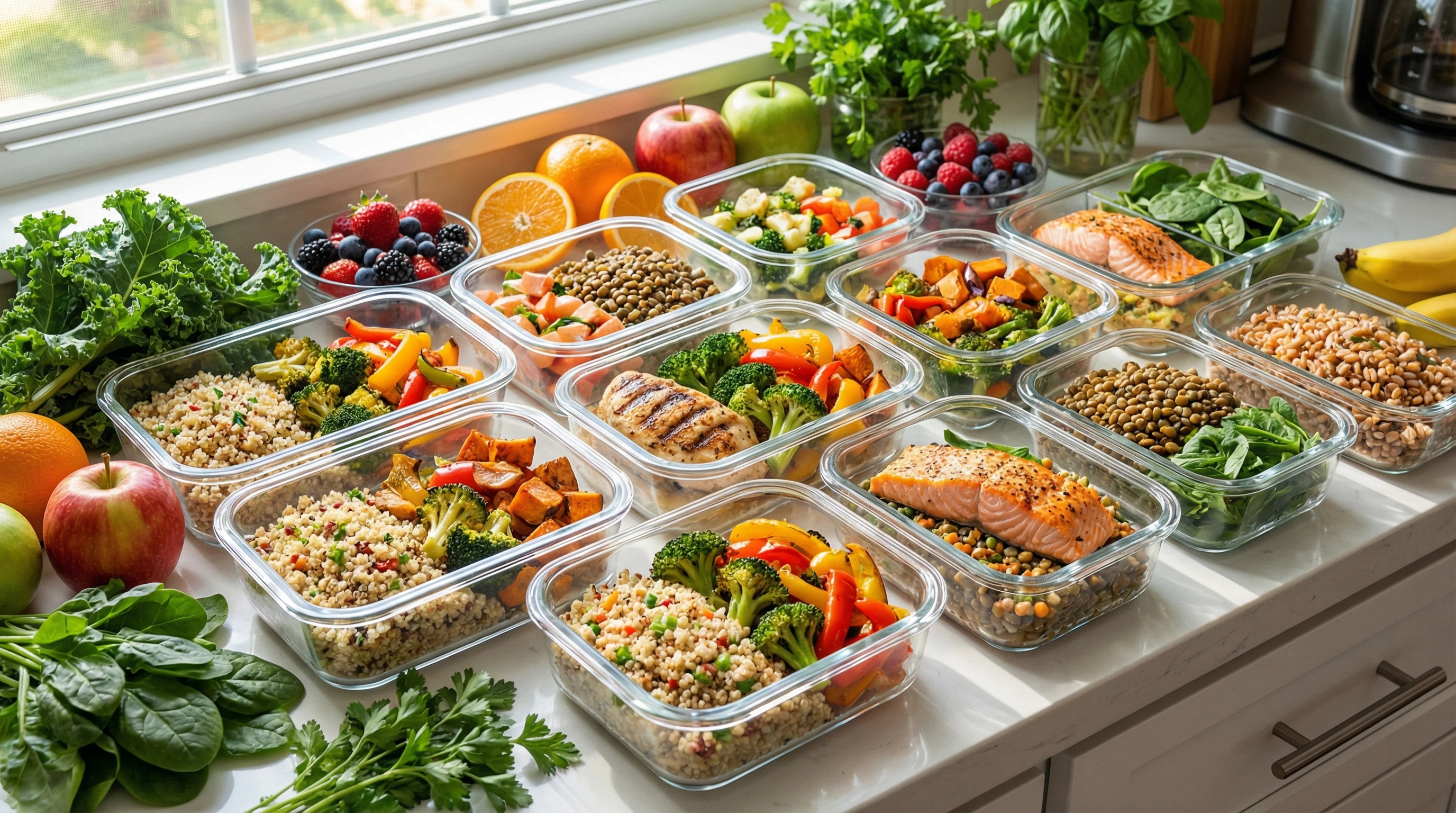
- Prep for Success: Prepping meals in advance, even if just for lunch, saves so much time during the week and helps avoid last second snacking.
Getting these basics down takes a bit of effort, but the payoff is worth it. These habits set a really solid foundation for any diet plan.
Common Pitfalls and How to Dodge Them
Any weight loss plan comes with some bumps in the road. I’ve struggled with these, and most beginners do. Knowing what to watch for can make all the difference:
- Overly Restrictive Rules: Drastic cuts or banning foods usually backfires after a few weeks. Trying to avoid the all or nothing trap keeps things way more relaxed, and sustainable.
- Skipping Meals: Skipping breakfast or lunch often leads to snacking and overeating later. Eating consistent meals keeps energy up and cravings down.
- Not Drinking Enough Water: Sometimes when I thought I was hungry, I was actually just dehydrated. Keeping a water bottle handy helps a ton.
- No Flexibility: Life happens, parties, dinners out, bad days. When I stopped aiming for perfection and just tried for good most of the time, it made sticking to my plan way easier.
Making Adjustments
If you hit a plateau where your weight stalls, don’t stress. It happens to pretty much everyone. Double check your portions, switch up your activity, or experiment with new recipes. Small tweaks can restart progress without ditching the whole plan.
What Foods Should Beginners Focus On?
A big part of starting a diet plan is knowing what to put in your cart and on your plate. I’ve found it way easier to stick to a plan when focusing on whole, unprocessed foods. These foods not only fill you up but taste great too. Some of my favorite staples for a beginner weight loss plan are:
- Lean Proteins: Chicken breast, turkey, eggs, low fat dairy, fish, and tofu help keep you fuller longer and support muscle while losing fat.
- Colorful Vegetables: Bell peppers, carrots, spinach, salads, broccoli, and tomatoes provide vitamins, fiber, and bulk for meals.
- Whole Grains: Oats, brown rice, and whole wheat wraps offer slow release energy and more fiber than their white counterparts.
- Healthy Fats: Avocados, seeds, nuts, and olive oil in moderation help you feel satisfied and support heart health.
- Fresh Fruit: Apples, berries, bananas, and oranges are good snacks, great in overnight oats, or tossed into salads.
Building meals around these basics makes prepping, shopping, and eating a lot simpler. You can mix and match based on what you like and what’s on sale.
Weight Loss Myths Beginners Can Ignore
There’s a lot of diet advice out there that I found out doesn’t hold much water. Cutting through the myths can help stop second guessing and wasted effort:
- You need to cut out all carbs. Not true. Whole grains and starchy veggies offer fiber, vitamins, and lasting energy. It’s the refined carbs like white bread and sweets to eat less often.
- Fat free is always better. Some fats (like those from nuts or avocados) are actually helpful for staying full and supporting health. Fat free foods sometimes sneak in extra sugar or sodium.
- Supplements replace meals. Protein shakes, meal bars, and detox teas aren’t as filling or nutritious as real food. I found they work best as an occasional backup, not a main meal.
FAQs for Beginners Starting a Weight Loss Diet
Here are a few common questions I get from friends and readers just starting their weight loss adventure:
Do I have to give up treats forever?
Absolutely not. Allowing for occasional treats keeps things realistic. I often plan a treat (like pizza night or dessert) into my week so I don’t feel deprived.
What if I mess up?
One rough meal or day won’t ruin your progress. Just get back to your plan the next meal. Consistency beats perfection every time.
How do I stay motivated?
Tracking progress with photos, how clothes fit, or even mood helps more than just the number on the scale. Having a buddy or online community for support can also keep things fun and encouraging.
Final Thoughts on Starting a Weight Loss Diet Plan
Choosing a beginner friendly weight loss diet plan is about finding options that work with your lifestyle, current habits, and favorite foods. Taking small, steady steps is the best way to keep weight off long term. Meal planning, focusing on wholesome foods, and allowing yourself a bit of flexibility make the whole process easier, and a lot more enjoyable.
Your first step doesn’t have to be perfect. What matters most is moving forward and celebrating progress as you go. Each habit adds up to healthier days ahead.
For those who want a bit more guidance, consider working with a registered dietitian or joining an online support group focused on weight loss for beginners. These extra resources can make it easier to stick to your goals and get answers to specific questions along the way. Remember, small changes every day really do add up, so give yourself credit for each positive step and keep building from there.