
Meal prepping is one of those habits that sounds like a hassle until you actually try it and realize how much time and stress it saves. I used to scramble every weeknight, wondering what to whip up for dinner, but planning and prepping meals ahead has made my life so much easier, and my diet way healthier.
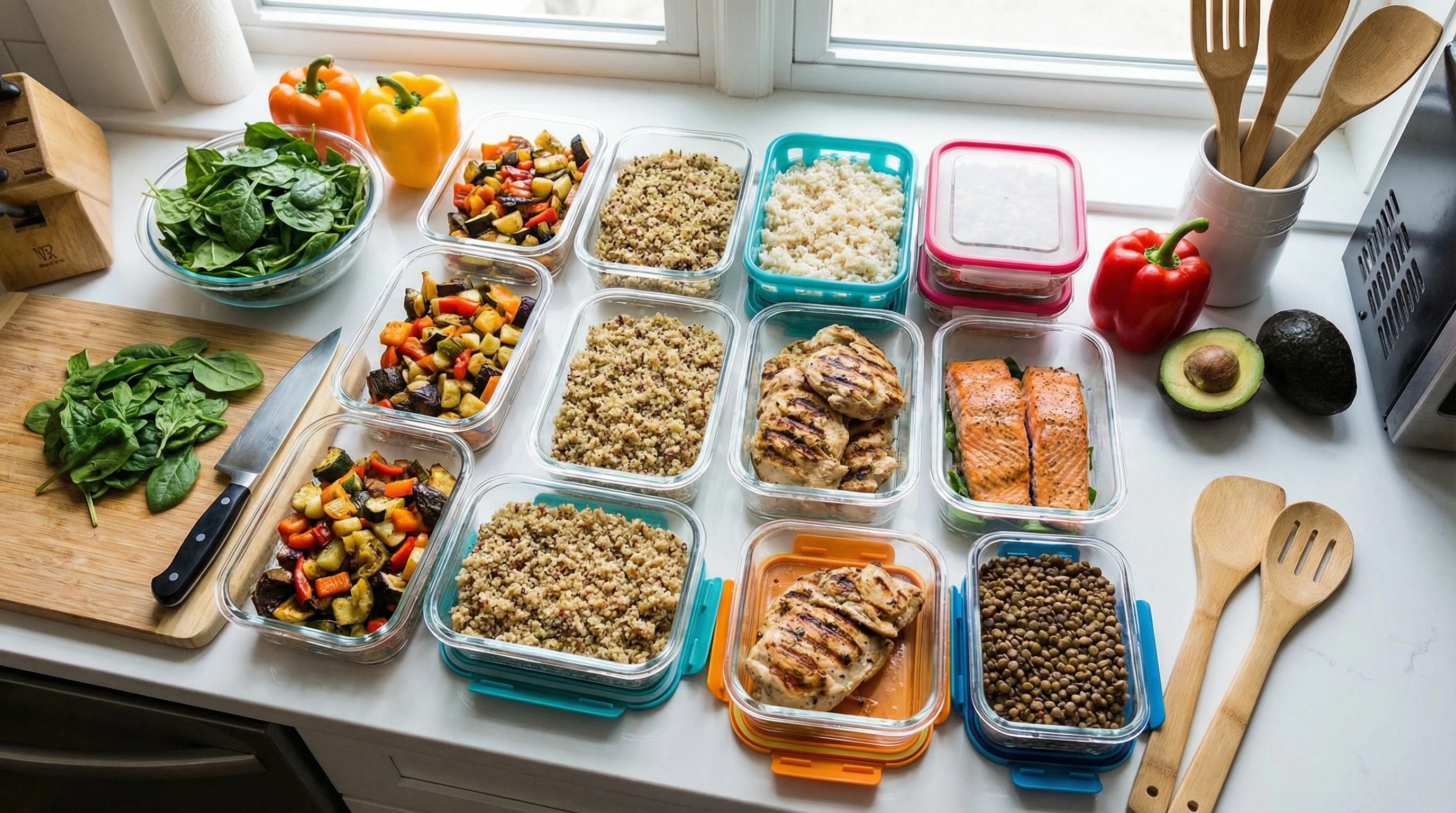
Why Meal Prep Works For Healthy Eating
Meal prepping really helps when you’re trying to eat better without spending a ton of time in the kitchen every single day. You portion your food, you know what you’re eating, and you avoid that last-minute takeout temptation. The meal prep industry keeps getting bigger, with more folks looking to simplify healthy eating in their busy lives. Lots of dietitians and fitness coaches recommend prepping ahead, since having healthy meals ready is an easy way to stick to your goals.
When you’ve got a plan, there’s less wandering around the kitchen or caving in to cravings. You’re also less likely to waste groceries when you cook in advance and stick to a menu. For me, learning to prep multiple meals at once felt like a mini life upgrade. Suddenly, lunch and dinner decisions were mostly made for me, and everything I needed was right in the fridge. Kind of a big win for my energy and sanity.
Another big plus is you’re in control of your ingredients. You can cut back on sodium or sugar, choose lean proteins, and work more veggies into your day with ease. Not only does meal prepping support your goals, but it also makes it far easier to keep track of your nutrition and manage your portions—all while keeping things affordable since you’re not constantly reaching for extra snacks or takeout.
Where To Start With Healthy Meal Prep
If you’re totally new to meal prep, focus on planning a few days at a time and scale up from there. I started by prepping work lunches, then moved to prepping dinners, too. You don’t need fancy containers or complicated recipes to kick things off. The idea is to get a system going that feels doable for your schedule. Here’s how I broke it down when I started:
- Recipe Selection: Pick three or four recipes you like and wouldn’t mind eating more than once. Focus on dishes that hold up well in the fridge.
- Batch Cooking: Make big portions of proteins, veggies, and grains so you can mix and match through the week.
- Storage: Invest in a few reusable food containers that stack nicely, and go for glass if you’re reheating often.
- Shopping List: Write out what you’ll need, including snacks or breakfast items, so you don’t forget anything at the store.
Having a plan laid out helps make shopping and cooking less overwhelming. Breaking things down into smaller steps helped me stick with meal prepping, even on hectic weeks. Sometimes, starting simply with just two days of lunches feels more achievable. You can always ramp things up to cover all meals once you’re more comfortable with your routine.
Step By Step Meal Prep Guide For A Week
Meal prepping for a week can be split into a handful of manageable steps that you repeat every week. Here’s my cheat sheet for a solid meal prep routine:
- Pick A Prep Day: Most people find Sundays or Mondays the easiest for prepping meals. I set aside 2-3 hours when I’m not in a rush, often listening to my favorite playlist to make the process more enjoyable.
- Plan Your Meals: Write down what you’ll eat for breakfast, lunch, dinner, and snacks. Try to rotate proteins and veggies for variety, but don’t overcomplicate it. Including a meatless meal or two can add some variety and help keep your food budget in check.
- Grocery Shop: Take your list and try to shop once for everything. I shop the outer edges of the store first for produce, protein, and dairy, then grab whole grains or spices as needed. Keeping an eye out for weekly specials can also help save money.
- Cook In Batches: Cook proteins (like chicken breast, tofu, or beans), roast or steam your veggies, and prep any grains (rice, quinoa, whole wheat pasta) at the same time. Multitasking is pretty handy here, so have something roasting while another pot simmers. Cooking everything at once helps the process fly by and can even let you step up your kitchen skills as you go.
- Assemble and Store: Portion out your meals in containers, label them if you want, and stack them in the fridge. Freeze one or two meals if you know there will be a busy night coming up.
While you’re getting the hang of it, try prepping just lunches, then expand to dinners and breakfasts. Having even one meal preset can really lift a lot of weekday pressure, and you’ll notice how nice it is not to worry about last-minute food choices when life gets hectic.
What To Watch Out For When Prepping Meals
Meal prepping isn’t perfect right away. I hit a few snags at first, so here are the hurdles you might encounter, and how to deal with them:
- Food Boredom: Eating the same dish every day can get old fast. Mix up your sauces, spices, or side dishes for a new twist.
- Storage Issues: Overloaded fridges or running out of containers? Clean out your fridge before prepping, and use stackable containers to save space.
- Food Safety: Don’t keep items for too long. Most prepped meals last about 3-4 days in the fridge. Mark the days on your containers if needed, and reheat food thoroughly before eating.
- Cooking Fatigue: Make it fun by putting on a podcast, or sharing kitchen duty if you have roommates or family. Give yourself a break if you’re tired—storebought shortcuts or prechopped veggies count too.
Food Boredom Solutions
To keep things interesting, I swap out a sauce, change up a grain, or add a quick salad to the side. Even switching from roasted broccoli to sautéed spinach makes a meal feel less repetitive. Add fresh garnishes like herbs or a squeeze of citrus before eating to perk things up. Don’t be afraid to experiment with flavor profiles inspired by different cuisines each week, either.
Storage And Safety Tips
I always let food cool before packing it up so nothing gets soggy or unsafe in the fridge. For keeping things fresh, glass containers with tight lids work best. Labeling with dates is super useful, especially if you’re freezing anything. Remember to store perishable items such as dairy products or cooked meats near the front of the fridge so you use them first, and don’t place hot food directly into the fridge—it’s best to let it cool on the counter before you seal your containers.
Troubleshooting Cooking Blahs
Not every meal has to be Instagramworthy. Frozen veggies are just fine, and onepot meals or sheet pan dinners save on cleanup. Skip the guilt if you need to order in every once in a while; consistency over perfection is the real gamechanger with meal prep. If you’re burnt out, switch up your cooking schedule or involve family or friends and make it a mini event. You’d be surprised how much more fun prepping food can feel with a bit of company!
Advanced Meal Prep Tips (From Personal Experience)
After doing this for a while, I found a few tricks that make meal prep easier and the food tastier every time:
- Double Up: Make double batches of chili, soup, or stews and freeze half for a future week. This works especially well during colder months when hearty meals are extra comforting.
- MixAndMatch Ingredients: Prep a couple of proteins, grains, and veggies that work well together in different combos. This way, you’re not eating the exact same bowl every day and can make grain bowls, wraps, or salads just by adding a new dressing or side.
- Prep Dressings Separately: Keep sauces and dressings in mini containers so your salads and grains don’t get soggy, and it gives you more flexibility to pair different flavors as you go through the week.
I also recommend keeping a backup meal in the freezer for unexpected long days or those times when you just aren’t feeling what’s on the menu. Some frozen dumplings, burgers, or homemade pasta sauces can really save your week.
Beginner Meal Prep Menu Ideas
If you need ideas for your first week, here’s what I like to prep for a balanced week of meals:
- Proteins: Grilled chicken, baked salmon, hardboiled eggs, roasted chickpeas, baked tofu
- Veggies: Roasted sweet potatoes, steamed broccoli, bell peppers, spinach and kale, sautéed zucchini
- Grains/Starches: Brown rice, quinoa, couscous, whole wheat pasta, roasted potatoes
- Breakfast: Overnight oats, Greek yogurt parfaits, baked egg muffins
- Snacks: Sliced veggies and hummus, handfuls of nuts, fruit cups
Mix and match these basics for quick grain bowls, salads, and bentobox style lunches. Most ingredients keep their flavor and texture pretty well across a few days in the fridge. If you’re prepping for kids or picky eaters, let them help choose some of the options to keep everyone happy.
Frequently Asked Questions
Here are a few questions I hear a lot from folks starting out with meal prep:
Question: How long do prepped meals last in the fridge?
Answer: Most cooked meals are safe for 3-4 days. Seafood and some salads should be eaten sooner. If you’re prepping for a full week, freeze a few portions and thaw midweek.
Question: Is meal prep more expensive than cooking daily?
Answer: Surprisingly, meal prepping usually saves you money in the long run. You buy ingredients in larger amounts and waste less food, plus eating out tends to cost much more.
Question: How do you avoid getting bored with your meals?
Answer: Build variety with different seasonings, sauces, or rotating your veggies and proteins every couple of weeks. Swapping up just one part of your meal can make a real difference.
Question: Do I need special equipment for meal prep?
Answer: You don’t really need anything fancy; a set of good containers, a baking sheet, and a couple of big pans go a long way. Slow cookers or pressure cookers can be nice for hands-off cooking but aren’t required.
Smart Habits For LongTerm Healthy Eating
Meal prepping can take a week or two to get used to, but it’s totally worth it for the free time and steady energy you get from eating better. I keep trying new recipes to mix things up, and when life gets super busy, I lean on my freezer stash to help. A little planning makes healthy eating feel a lot more doable, even with a jam-packed schedule.
Meal prep isn’t about being perfect; it’s about setting yourself up for easier, healthier choices every week. With a bit of trial and error, you’ll find a rhythm that makes your week and meals run smoother. Give it a go—your future self will thank you for it!