
If you’re stuck in the same spot on your weight loss adventure, you’re definitely not alone. Plateaus can show up even when you’re doing everything you think is right. Hitting a wall with your progress doesn’t mean you’ve failed or that your hard work isn’t worth it; it just means your body’s adapted, and a few tweaks can help get things moving again. Here I’ll walk through practical steps and insights that can make a big difference if you’re trying to overcome a weight loss plateau.
Understanding Weight Loss Plateaus
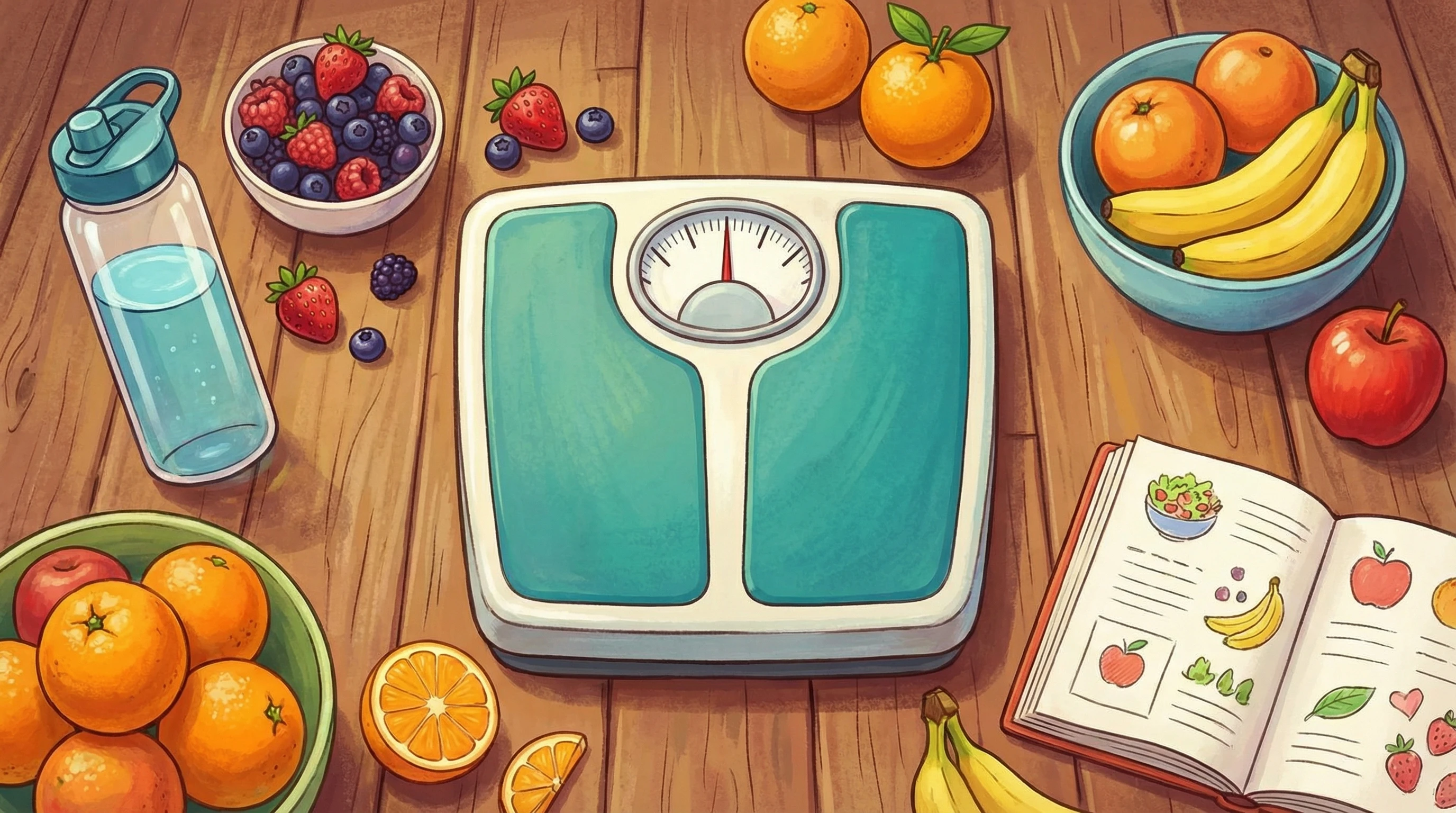
Weight loss plateaus can feel frustrating, but they’re actually pretty common. Basically, a plateau happens when your scale stops moving (or even creeps up a bit) after a period of steady weight loss. Most people hit a plateau at some point because as you lose weight, your body needs fewer calories and it can adjust its metabolism to whatever you’re doing. Instead of burning fat at the same rate, your body tries to save energy, which slows your progress.
Plateaus aren’t a sign that what you’re doing has stopped working; they’re just a speed bump. Knowing this can help keep you motivated and open to trying new strategies, instead of giving up or slipping back into old habits.
Why Plateaus Happen
Getting clear on what causes a plateau can help you come up with a good plan to break through. Common reasons for plateaus include:
- Metabolic adaptation: Your body gets used to lower calorie intake and becomes more efficient, so it burns fewer calories doing the same activities.
- Loss of muscle mass: Losing weight usually means losing some muscle, and that can slow your metabolism even more.
- Sneaky extra calories: Sometimes old habits creep back in; maybe portions get a little bigger or you grab a few extra snacks without thinking.
- Lack of physical activity changes: Sticking to the same routine for too long means your body isn’t being challenged anymore.
- Natural water retention or hormonal changes: Your body’s water balance can shift for all sorts of reasons and stall progress for a week or two.
Initial Steps: Double-Check the Basics
When I hit my own first weight loss plateau, I found it helped to go back to basics. Taking a week to really track everything you eat—even condiments, small snacks, and sips of drinks—can be eye-opening. Sometimes we underestimate how much we’re eating or forget little extras that add up. Apps like MyFitnessPal or even just a simple notebook make this pretty easy.
Checking in on your physical activity is also worth it. If your walks have gotten a little shorter or gym days are less consistent, try planning your workouts in advance. Even small tweaks can start to add up and help you break out of a rut. You might even consider investing in a tracker or fitness watch to get a sense of your daily activity; seeing those numbers can open your eyes to patterns you might otherwise miss.
Practical Strategies to Break Through Plateaus
Once you’ve reviewed the basics, here are some proven ways I’ve found effective (and plenty of research backs them up) for busting through a plateau:
- Switch up your calorie intake: Dropping your daily calories even further isn’t always the answer, but a modest change can help. Sometimes even adding a bit more food in—the concept of a “refeed” day—can refresh your metabolism and stop your body from adapting too much to calorie restriction.
- Add strength training: Picking up some dumbbells or doing bodyweight exercises a few days a week helps maintain or even grow muscle, which can raise your metabolism. Building muscle doesn’t just burn more calories during the workout; it keeps burning them all day long. If you’re new to lifting, plenty of beginner programs are available online or at your local gym.
- Mix up your workouts: If you always do the same type of exercise, your body gets really good at it and doesn’t burn as many calories. Try a new class, add some sprints, or do intervals to shake things up; adding variety can really keep your routine interesting, too.
- Look at carbs and protein: Eating more lean protein can help keep you full and preserve muscle while keeping an eye on refined carbs and added sugars can prevent sneaky calories from adding up. Sometimes shifting your plate to include more vegetables or beans can really help fill you up without ramping up calories.
- Focus on sleep and stress: Poor sleep and high stress can mess with hormones that control appetite and fat storage. Working on better sleep routines or managing stress with activities like yoga or short walks can be surprisingly helpful. Even a five-minute breathing break during the day can bring things down a notch and help you stay the course.
Common Mistakes That Keep You Stuck
It’s pretty easy to fall into patterns that make plateaus stick around longer. Here are a few things to keep an eye on:
- Going too low on calories: Dropping your calories too much can actually slow your metabolism, sap your energy, and make it harder to stick with changes long-term. If you’re feeling tired and cranky all the time, you might need a few more calories (especially from whole, unprocessed foods).
- Obsessing over the scale: The number on the scale doesn’t tell the whole story. Keep an eye on progress photos, how your clothes fit, or your body measurements to spot progress that isn’t scale-related.
- Comparing yourself to others: Everyone’s adventure is unique. Plateaus are normal, and progress at any speed is still progress. Try checking your progress in other ways, like how quickly you recover from workouts or whether you’re sleeping better at night.
Extra Tips and Helpful Tools
Using some extra tools and strategies can give you an edge when you’re working through a plateau:
- Meal prep and planning: Even planning dinners for the week or prepping a couple lunches can cut down on last-minute temptations and make it easier to stick to your plan. If you’re someone who struggles to stay organized, try using a meal planning app or write out a quick menu for the week on a sticky note.
- Accountability buddies: Linking up with a friend, a group chat, or an online community can provide motivation and new ideas when you’re feeling frustrated. Sometimes, sharing your goals can bring a boost of encouragement or a fresh perspective, especially on tough days.
- Tracking non-scale progress: Jot down improvements in your stamina, mood, or even your consistency at the gym or in the kitchen. These wins keep you motivated when the scale gets stubborn. If you like visuals, consider making a calendar where you mark off days you accomplish a new habit or hit a workout goal.
Diet and Exercise: Tweaking with Purpose
Tweaking your diet and exercise is really important if you want to break a plateau and keep moving forward. Here’s how I usually approach it:
- Set microgoals: Instead of focusing only on your “final” target, set small weekly goals like eating an extra serving of vegetables a day or adding another five-minute walk to your daily routine. Achieving these gives you a sense of accomplishment and helps keep momentum high.
- Try high intensity interval training (HIIT): Short, intense workout bursts followed by recovery can burn calories faster and shake your body out of autopilot mode. There’s solid research showing HIIT is really good for boosting metabolism if you’re already active. If HIIT workouts sound intimidating, start small—even two or three short intervals in your regular cardio are a good starting point.
- Hydrate well: Drinking more water can help control hunger, keep your metabolism humming, and even help with fluid retention that can mask real progress. Sometimes, just switching out sugarsweetened drinks for water can kickstart change again. If you struggle to drink enough, try flavoring your water with lemon, herbs, or zero-calorie flavor drops.
Frequently Asked Questions
These are some of the top questions I get asked (and wondered myself) about weight loss plateaus:
How long do weight loss plateaus last?
Plateaus can last anywhere from a couple weeks to over a month, but usually some sort of change in routine will help you start making progress again. If nothing is shifting after a month or two, checking in with a doctor or nutritionist is never a bad idea. Everyone’s body is different, so don’t get discouraged if your plateau seems to hang around a bit longer than expected.
Is it normal to fluctuate even while doing everything right?
Absolutely. Weight can go up and down from water, hormones, or even how much salt you eat. Look at the overall trend before getting discouraged by one or two “stuck” days. It’s usually a good idea to pay attention to other markers of health and progress, too, like how you feel overall, your energy, and your ability to stick with healthy habits.
Can changing my workout really help if I already exercise?
Yes! Your body loves efficiency, so routines that challenge new muscle groups, include intervals, or add resistance can trigger progress even if you’re active now. Sometimes, finding a new activity or joining a group workout can give you new motivation and excitement for exercise, making it easier to stay consistent long term.
Should I try “cheat days” to break a plateau?
Some people find that an occasional higher calorie day helps, but it’s really individual. The key is staying mindful, so a “cheat day” doesn’t undo your hard work or slip into regular overeating. If you’re tempted to experiment, keep notes on how you feel before and after your cheat day to spot what works best for you.
Resources and Next Steps
There’s tons of reliable info out there on breaking through plateaus. Trusted sites like the CDC Healthy Weight page and apps like MyFitnessPal provide evidence-backed advice and practical tools for food and activity tracking. If things feel extra stuck, booking a session with a registered dietitian or a doctor who specializes in weight management is always a good idea.
Keep experimenting, check in with yourself, and remember, most people face plateaus at least once (if not a bunch of times) on their way to long-term weight loss. Every small change makes a difference, and over time, these switches lead to better health and a body that feels good to live in. Try to celebrate small victories, and don’t underestimate the power of consistency over perfection. Your determination during challenging moments is what can set you up for lasting success.